Reflections from the Human Computation Institute Team about the Citizen Science for Health 2025 Conference

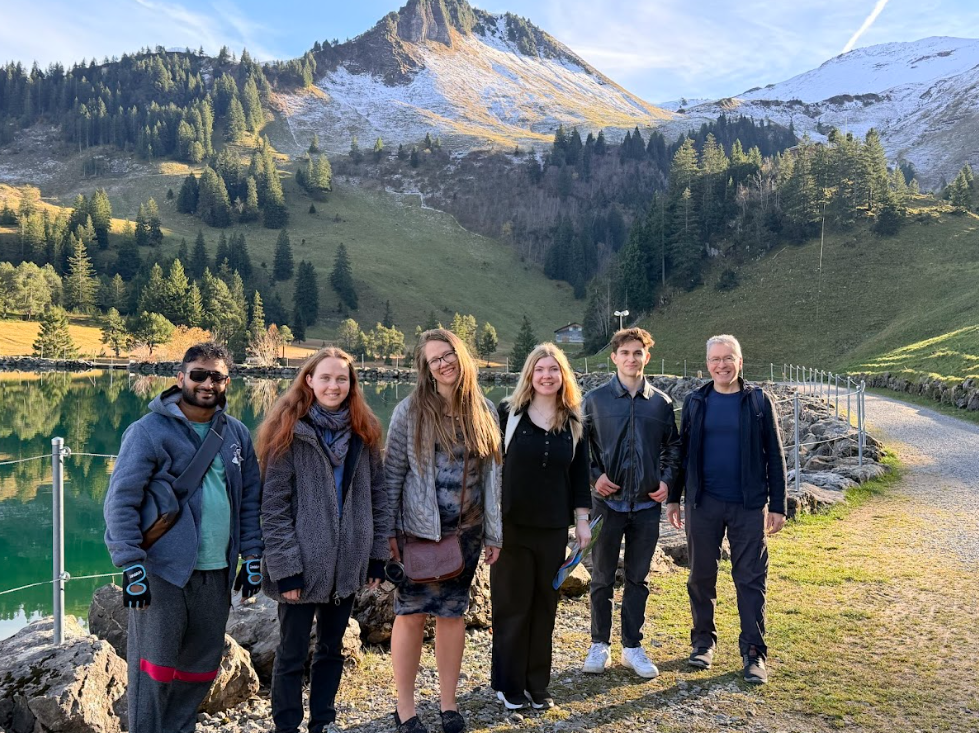
Photo caption for featured image: The Human Computation Institute team in Stoos, Switzerland, before the conference — taking in mountain air and big ideas. From left: Ravish Dussaruth, Gretė Vaičaitytė, Caroline Nickerson, Maggie Lane, Luca Michelucci, Pietro Michelucci
Why we went to Zurich
At the Human Computation Institute (HCI), we’re all about humans AND machines working together to tackle big problems like dementia and, more recently, proving unsolved math theorems.
Our projects combine the complementary strengths of humans and machines. Now that artificial intelligence (AI) is starting to perform tasks that are normally associated with human intelligence, we see an opportunity to reassess how humans and AI might collaborate, especially in citizen science.
So, we brought this topic to the Citizen Science for Health 2025 (CS4H) conference in Zurich, Switzerland in November. There we joined researchers, policymakers, and citizen scientists to explore these ideas, learn about what others are doing, and meet with friends, both new and old.
Talks about AI, health, crowdsourcing
Our Executive Director, Pietro Michelucci, kicked off the conference as keynote speaker, with a talk titled “Integrating AI into Citizen Science for Health: Risks, Rewards, and Strategies.” We share his insights, a recording of the lecture, and a written summary in a separate blog post, linked here.
Later on in the conference, Pietro gave another presentation, “A Case Study in Iterative Development for Crowdsourcing Biomedical Data Analysis.” He described new results from Beta Catchers, HCI’s upcoming platform that turns the public into research partners by having volunteers examine whole-slide images (extremely large, high-resolution scans of human brain tissue) to answer questions about Alzheimer’s disease. We share his insights, a recording of the lecture, and a written summary in yet another blog post, linked here.
Our experiences at the conference
Beyond just helping Pietro prepare his talks, we also enjoyed learning from the community gathered in Zurich! Two themes came up across many sessions. The first was a strong commitment to co-creation, where communities help shape the direction and design of research from the beginning. The second was the role of participatory science in addressing health equity. We kept hearing about projects that center lived experience and make room for people whose voices are often overlooked.
People were warm and curious about HCI’s work in human computation, and many quickly connected it to the co-creation themes across the conference. Human computation creates practical ways for people and machines to work together, with people contributing insight and context while machines help with scale and organization.
This approach opens more pathways for meaningful participation in scientific work. Being among so many thoughtful practitioners confirmed how well these ideas fit within the CS4Health community, and we left Zurich energized for what comes next.
Work with us!
If you were part of the CS4Health community — or if you’re just curious about human computation — we’d love to continue the conversation. Email us at info@humancomputation.org to say hello and discuss collaborations. Maybe we can come to a city near you – invite us to your next conference!
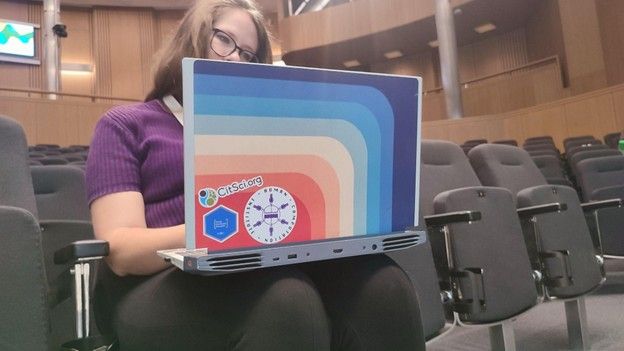
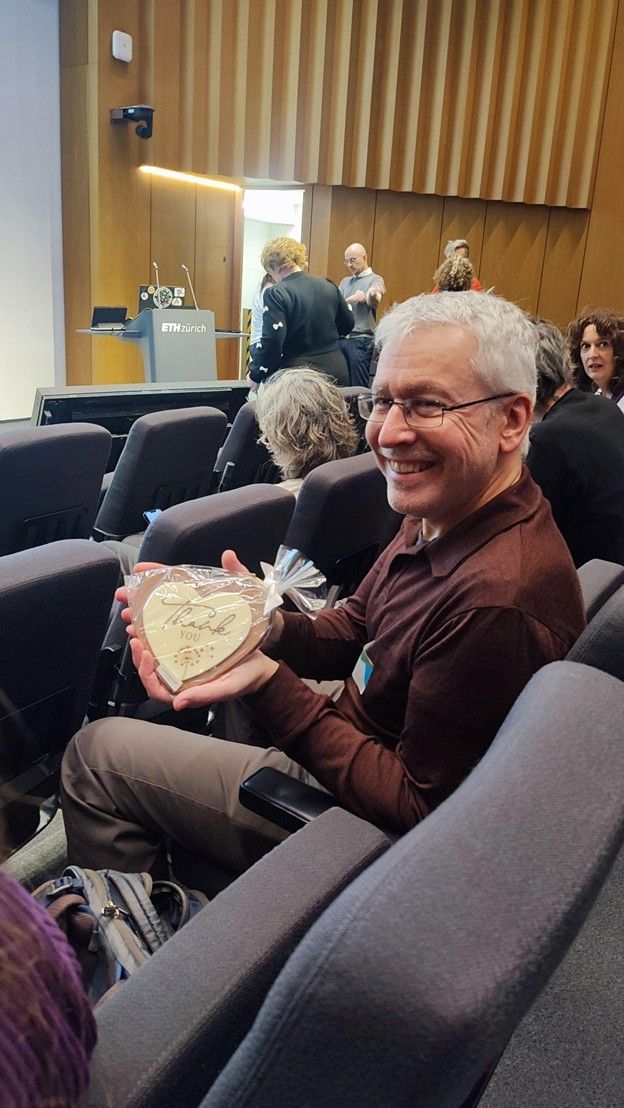
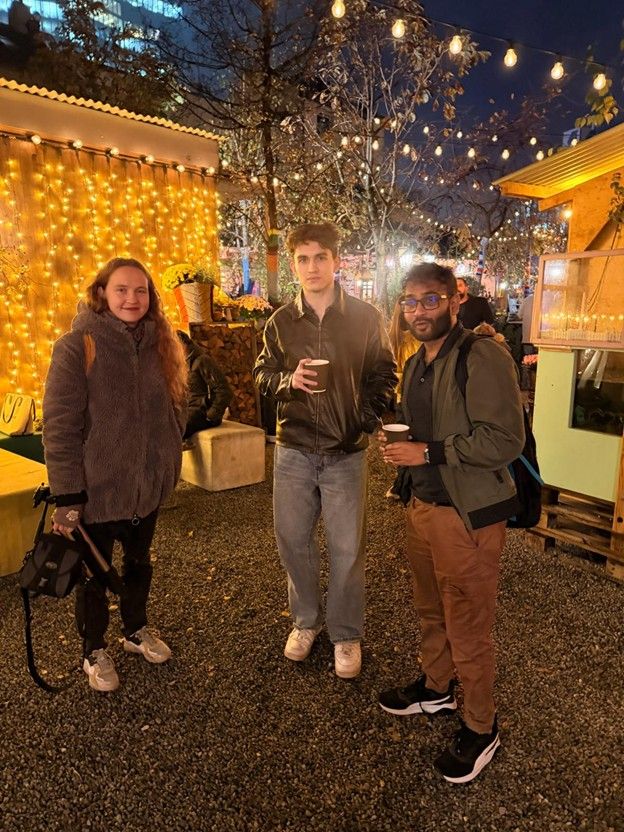
Want to get to know the HCI team a little better? Below is a gallery of snapshots from our Swiss adventure.